
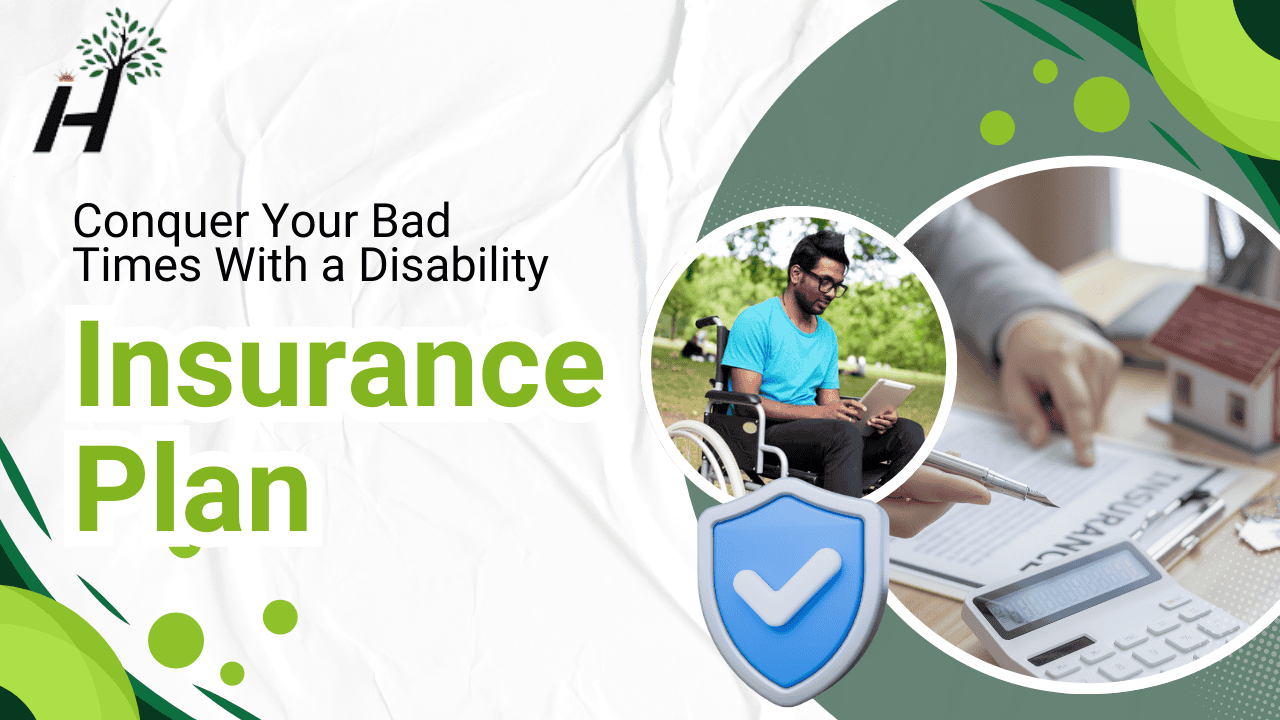

Disability insurance becomes most reliable during a recession because it is able to sustain you when you become disabled since it covers 60-80% of your pre-existing earnings, you are able to decide the elimination and duration period. A recession can cause a lot of financial adjustments in companies, and it can have a negative impact when you are disabled. As such, it’s important to plan ahead so you are able to sustain a stable lifestyle when you become disabled in a recession, and you can do this through private disability insurance. Read along this blog to understand why private disability insurance matters in a recession.
Why does private disability matter during a recession?
The risk of disability still remains prevalent during a recession.
In times of a recession when income is low, employees are getting laid off, and the jobs are even harder to get, the chances of becoming disabled are still imminent. It becomes harder to financially handle daily expenses as the product’s prices and services have increased. At this point, disability insurance is there to replace a portion of your income when you are unable to work because of an injury or illness.
The employer or public benefits may reduce
Planning on switching jobs during a recession may be unpredictable, especially when disabled. Employers may have frozen benefits, change work eligibility, and thus changing jobs may result in loss of coverage or unreasonable benefits. You may think of the Canada Pension Plan Disability Benefit, but it mostly covers a fraction of your income with strict eligibility. As such, getting private disability insurance does not limit you since it’s not tied to your employer and is based on your preferences.
Policy terms and costs may adjust.
Securing a private disability insurance when you are healthy can be your shield when things aren’t favourable, and the unpredictable injury or illness comes. This would be a great decision because when the economy is low, insurers may adjust underwriting, change definitions of disability or raise premiums, which makes it more difficult.
What to consider when buying a private disability insurance policy?
- The definition of disability. It’s important to know the definition of disabled because it can help you know how you will get paid.
- Get acquainted with the duration of the coverage: They are divided into two- long-term disability and short-term disability. Long-term covers critical long-term inability to work, whilst short-term covers shorter periods of inability to work.
- Consider the elimination period: This is the time you wait after becoming disabled. Shortening waiting time costs more than longer waiting periods.
- Consider employment portability: It’s better to get individual coverage as it’s not tied to your employer group benefits, thus it follows you when you plan to switch jobs.
- Consider the stability of the premium: It’s important to understand if your policy is non-cancellable, guaranteed renewable and own occupation. You should also understand how changing your job will affect your coverage.
Conclusion
Disability insurance is what you can rely on when the recession progresses, and you are unable to earn. Now is the best time to start investing in this insurance so that it becomes a reliable income in uncertain times. As you plan on buying this policy, you can check out Insure Horizons, led by Jas Hans. We will guide you through each step and ensure you get coverage that will sustain you when you need it.
FAQ’s
- What is the definition of disabled in private disability insurance?
Being disabled generally means you are unable to work due to an injury or illness, which could be for a long or short term. The definition is based on three factors: own occupation, regular occupation and any occupation.
- Does the private disability insurance policy increase in a recession?
The policy may increase, but it varies according to the insurers; some insurers overestimate security over inflation.